5 Reasons Why You Should Travel to Iceland In The Winter
Note: This article contains affiliate links where I make a super small percentage that helps support this platform. With that, all thoughts and opinions are my own.
Want an interactive guide with ALL my recommendations and for you to put together your own itinerary?
Check out my interactive Iceland guide powered by Rexby that has over 200 things to do!
Thinking of going to Iceland but not sure when? While peak season tends to be between June through August, you should still consider going to Iceland in the winter. It is still very beautiful and there is a lot to do despite the limited sun light. Here’s a few reasons why.
See The Northern Lights
For many, seeing the Northern Lights is a bucket list item and if you want to see them. Your best bet is to travel to Iceland in the winter when you are most likely to see them. That is because:
Longer nights: Winter, especially around the December solstice, brings the shortest days and longest nights of the year. This provides a much larger window for aurora viewing compared to the summer months.
Darkness: The long nights are crucial. For the aurora to be visible, the sky must be dark enough. Winter provides the necessary darkness, with fewer daylight hours available for aurora viewing.
Clear skies: While winter weather can bring clouds, long periods of clear, cold, and dry weather are common in winter, which is essential for a good aurora display.
You can schedule a tour for northern lights or if you have a car and want to explore them on your own, be sure to download the Hello Aurora app for the most accurate tracking.
Go Glacier Hiking
If you’ve ever wanted to hike glaciers, going in the winter in Iceland is best because it's the only time natural ice caves are safely accessible. During the winter, colder temperatures stabilize the ice, allowing for the unique experience of exploring ice caves, which are formed by melting and refreezing water.
Going in the winter also provides opportunities for unique activities like exploring frozen lagoons and getting to witness stunning, snow-covered landscapes with the possibility of seeing the northern lights.
It is highly recommended to go with a guide.
Explore Ice Caves
Going to explore ice caves in the winter in Iceland is best because of the consistent freezing temperatures that make the ice stable and safe to enter. The winter months, typically November to March, allows the ice to harden and form the vibrant blue ice formations and is what makes the experience so spectacular. In summer, meltwater and glacial flows cause the ice caves to become unstable and potentially collapse, making them too dangerous to visit.
Safety and stability
Consistent cold: Winter temperatures remain below freezing, which is crucial for the structural integrity of natural ice caves.
Reduced meltwater: The flow of surface water and glacial rivers, which can destabilize the ice, largely stops in the winter.
Hardened ice: Cold weather causes the ice to harden and contract, making it stronger and safer for exploration.
Formation and appearance
Formation period: Natural ice caves form when glacial meltwater carves tunnels in the ice, and they become accessible only after the water flow stops and the caves refreeze in the winter.
Vivid colors: The winter ice is often a stunning, vivid blue, which is a result of the freezing process and trapped air bubbles.
To explore ice caves, it is also recommended to go with an experienced guide.
Enjoy The Holiday Season Including Christmas Markets
With Iceland being a part of Europe, Icelandic Christmas markets are a modern blend of European tradition with local themes, with the most popular located in Reykjavík and nearby towns like Hafnarfjörður.
While exploring the markets, you’ll see stalls selling handmade crafts, local delicacies, and warm drinks in a festive atmosphere with twinkling lights and music.
Markets in and near Reykjavík
Ingólfstorg Square: This is one of the most popular markets in central Reykjavík, featuring an outdoor ice rink in December and alpine-style stalls. A must!
Hjartagarðurinn: Another market located in the downtown area, known for its festive atmosphere.
Austurvöllur: A traditional outdoor market with wooden stalls selling handmade crafts, seasonal food, and gifts, decorated with lights and music.
Heiðmörk Christmas Market: Located in the Heiðmörk woods, this market offers a more relaxed and rustic experience with bonfires and handmade gifts.
Árbær Open Air Museum: This location hosts a Christmas market that aims for an authentic and historical feel.
Laugardalur: The Laugardalur valley also offers various Christmas activities and events.
Hafnarfjörður ~ 20 minutes from Reykjavik
Hafnarfjörður Christmas Village: Situated just outside of Reykjavík, this is a very popular destination with live music and plenty of Icelandic delicacies and crafts.
See the Yule Lads and Christmas Cat: Keep an eye out for the projected holograms of the Yule Lads and the large Christmas Cat sculpture in Lækjartorg square.
Fewer Crowds & Cheaper Prices
From November to April is Iceland’s off-season so you can expect there to be less tourists, which means you’ll get to enjoy some of Iceland’s biggest attractions with less crowds. Also, with it being the off-season, you can also expect to find cheaper prices and with Iceland known for being an expensive travel destination, this could be ideal if you’re looking to save as much as you can.
Just beware that the days are much shorter in the winter. In January and February, you can get only 4-5 hours of daylight so you’ll definitely have to plan your excursions accordingly.
Want an interactive guide with ALL my recommendations and for you to put together your own itinerary?
Check out my interactive Iceland guide powered by Rexby
Vegan Ventures Iceland Group Tour
In partnership with RExbyWant to explore Iceland with other like-minded vegan foodie travelers? Join our upcoming Vegan Ventures group tour happening May 2026 and let us guide you through Iceland!
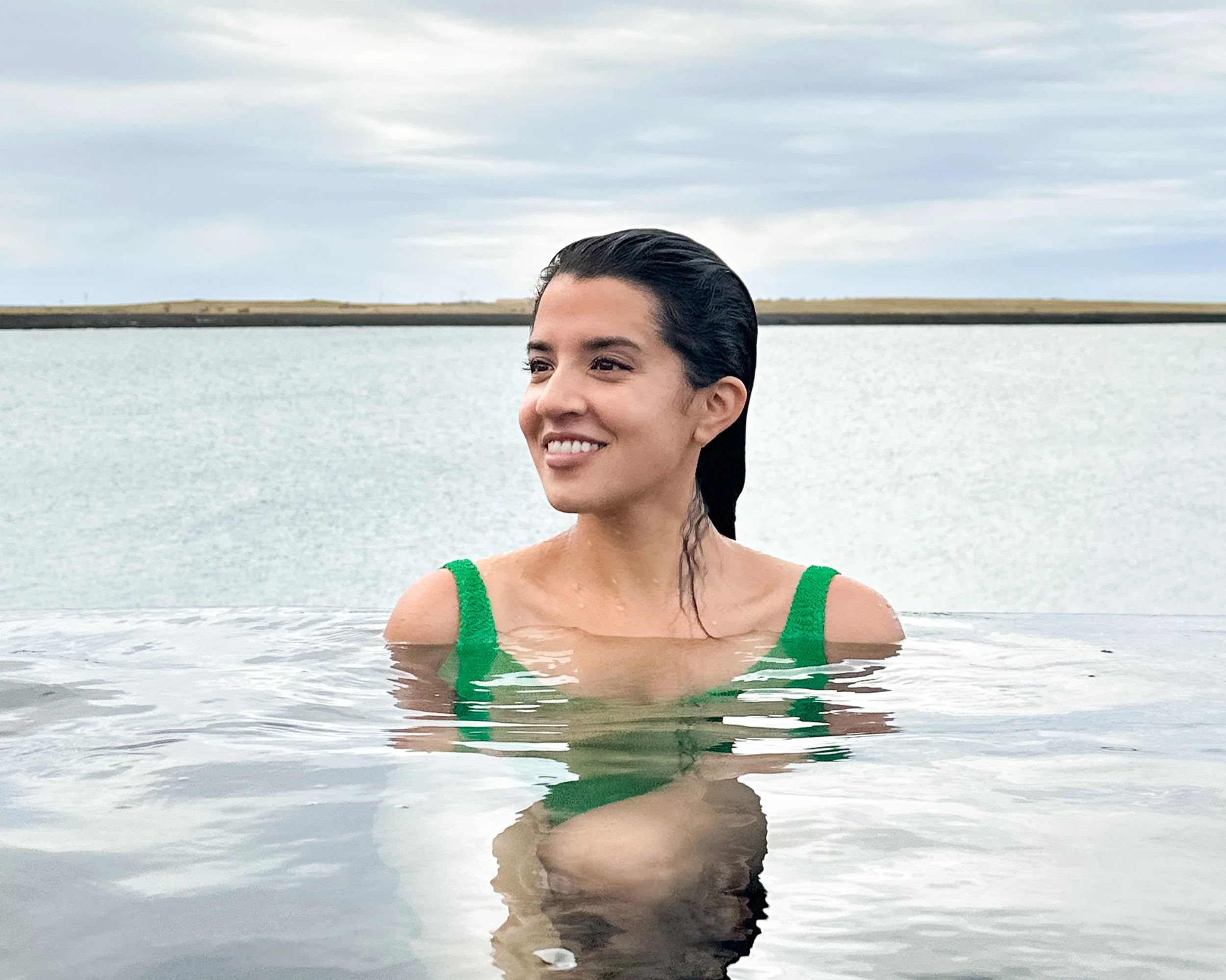
Hi, I’m Ashley, owner of Vegan Ventures. I’ve been vegan for 8+ years and have traveled all over for over a decade. I’m a foodie and traveler who loves finding the best eats and experiences.